Curious about AI regulation and what the future holds? You’re in the right place. It’s something many people are scratching their heads about, including myself. Let’s dive into the questions everyone is asking right now.
Why Do We Need AI Regulation?
Imagine you’re enjoying your morning coffee, and in the daily news, you hear stories about AI taking over jobs or spreading misinformation. It’s everywhere. But the big question is, how far should AI go before we put on the brakes?
What Concerns Are Being Raised?
Sitting at a cafe, a friend of mine once said, “AI is like that tech gadget everyone wants but no one knows how to control.” Many share these concerns. The pace of AI advancement is rapid, and with that comes a wave of debates. Is AI more of a threat or a useful tool?
AI Regulation: A Balancing Act
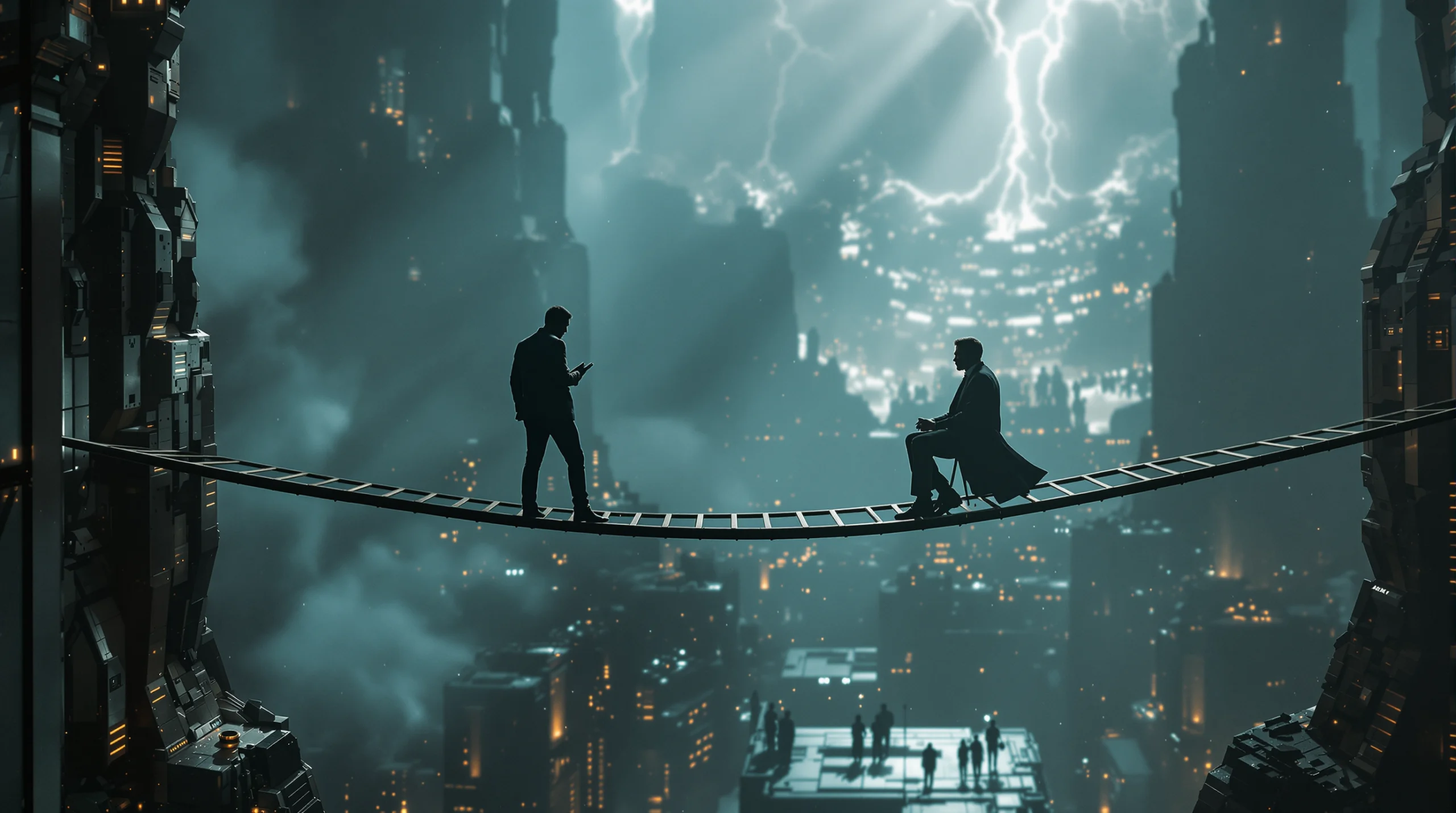
Think of AI regulation like walking a tightrope. Too tight, and we stifle creativity. Too loose, and chaos can ensue. Take JD Vance for example, who recently emphasised this during a summit in Paris. He talked about the fine line between necessary regulation for safety and overregulation that blocks innovation.
Is Overregulation an Issue?
The EU’s Digital Services Act is a prime example. Its aim is to curb misinformation, but many fear it could infringe on free speech. Sitting with colleagues over lunch, we’ve all mused about whether these laws might become roadblocks rather than safety nets.
- Could overregulation stifle AI growth?
- Might regulations inadvertently introduce biases?
- How do these laws impact the development of AI technologies today?
Is AI Becoming a Pawn in Global Politics?
Let’s not kid ourselves. AI is not just a bunch of algorithms; it’s also about power. This was evident during the Paris summit with major players like Google’s Sundar Pichai and OpenAI’s Sam Altman sharing discussions with leaders like China’s Vice Premier Zhang Guoqing. It’s all about who controls the chessboard.
Imagine a scenario where cutting-edge AI technology falls into the wrong hands. That’s what JD Vance discussed, highlighting the risks involved when partnering with authoritarian regimes.
The Real-Life Implications of AI Tech
You’re sitting in the driver’s seat of an AI-driven world, and so am I. From healthcare innovations to automated vehicles, AI is shifting paradigms. But are we prepared for both the creative possibilities and the potential disruptions? Can we navigate AI ethics without losing sight of practicality?
The Future of AI: What’s Next?
We’re living in exciting times. The jargon might feel overwhelming, but at the core, it’s about understanding the human touch in AI innovations. How do we craft regulations that keep AI creative while ensuring safety? Check out this resource to see where we’re headed next.
So what’s the final verdict on AI regulation and what does the future hold? It’s not about stopping innovation; it’s about steering it wisely. Let’s keep the conversation going, because the future waits for no one.
“`