The Ongoing Conflict in Ukraine: What’s Happening and Why It Matters
The ongoing conflict in Ukraine continues to dominate global headlines, leaving many wondering about its causes, current status, and worldwide impact. As someone who follows international relations closely, I’ve noticed how this crisis affects everything from global economics to everyday lives.
What Started the Ukraine Conflict?
When people ask me about Ukraine, they often want to know how it all began.
The roots trace back to 2014 when Russia annexed Crimea following Ukraine’s revolution that ousted a pro-Russian president.
This initial action sparked years of tension, particularly in eastern Ukraine where Russian-backed separatists began fighting Ukrainian forces.
The situation dramatically escalated in February 2022 when Russia launched a full-scale military invasion, claiming concerns about NATO expansion and Ukraine’s growing western ties.
If you’re interested in understanding how global conflicts impact digital strategies for businesses, AI solutions for everyday challenges might offer some perspective.
What’s Currently Happening on the Ground?
The reality on the ground changes daily, but certain patterns have emerged:
- Military clashes continue across multiple fronts, with both sides claiming territorial gains and losses
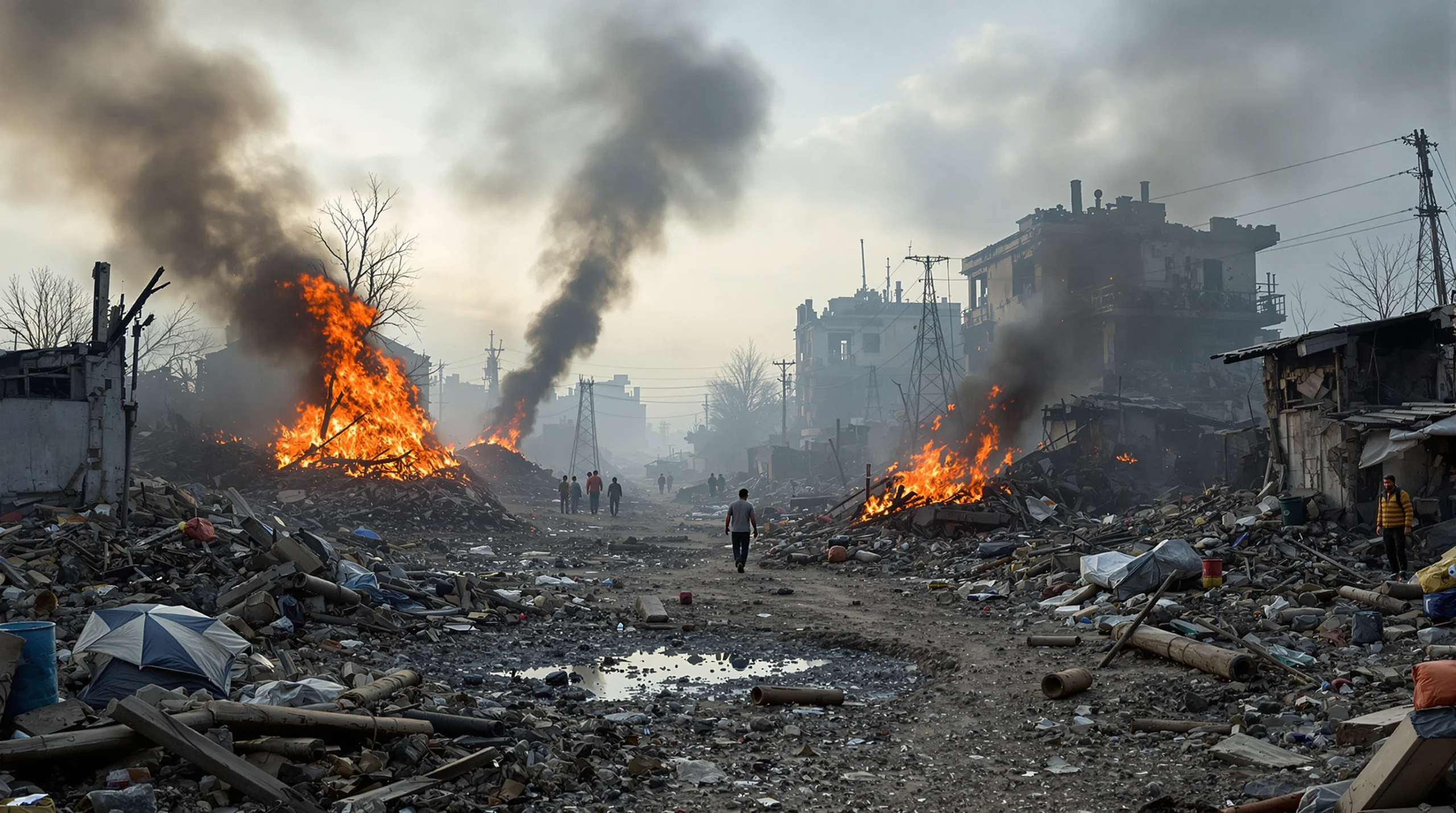
- Civilian infrastructure – power plants, hospitals, residential buildings – faces regular attacks
- Over 8 million Ukrainians have fled to neighbouring countries while millions more are internally displaced
- Both sides have suffered significant military casualties, though exact numbers remain disputed
Following the situation closely reminds me of watching a tragic chess match with real human consequences.
Why Should People Outside Ukraine Care?
This question comes up often in my conversations about Ukraine.
First, there’s the humanitarian aspect – millions of people suffering deserves global attention regardless of geography.
Beyond that, this conflict has created ripple effects felt worldwide:
- Energy prices have fluctuated dramatically, affecting household bills globally
- Food security issues have emerged as Ukraine’s grain exports were disrupted
- The conflict has reshaped geopolitical alliances and security priorities
Understanding these global consequences helps businesses prepare for market shifts and adapt their strategies accordingly. Tools like Plai.io can help businesses navigate these uncertain times by providing AI-powered marketing insights and analytics that adjust to changing global conditions.
What Role Does NATO Play in the Ukraine Conflict?
NATO’s position in this conflict remains nuanced and complex.
While Ukraine isn’t a NATO member, the alliance has:
- Provided significant military equipment and training to Ukrainian forces
- Implemented sanctions against Russia
- Reinforced its presence in eastern member states bordering Russia
NATO walks a careful line – supporting Ukraine while avoiding direct military confrontation with nuclear-armed Russia.
For businesses navigating complex international situations, AI tools for everyday challenges can help track geopolitical developments affecting global markets.
How Has the War Affected Global Economies?
The economic impact reaches far beyond Ukraine’s borders.
I’ve watched several key developments unfold:
- Energy prices spiked initially but have stabilised somewhat as markets adjusted
- Food prices rose globally due to disruptions in grain exports
- Defence spending has increased across Europe
- Supply chains faced new disruptions after barely recovering from pandemic challenges
These economic ripples affect businesses worldwide, making strategic planning more challenging but even more essential.
What’s Happening to Ukrainian Civilians?
Behind the geopolitics and strategic discussions lie real human stories.
Millions have fled their homes, seeking safety in neighbouring countries or western Ukraine.
Those who remain face:
- Regular power outages as energy infrastructure comes under attack
- Limited access to healthcare and education
- Psychological trauma from ongoing conflict
- Economic hardship as jobs disappear and prices rise
These personal stories often get lost in broader discussions but represent the true cost of this conflict.
Organizations looking to provide humanitarian support can leverage automation tools to streamline their aid distribution and coordination efforts.
Will Diplomatic Solutions End the Conflict?
Many ask me if there’s hope for peace through diplomacy.
Several peace initiatives have been attempted, but significant obstacles remain:
- Both sides hold fundamentally different views on acceptable outcomes
- Trust between parties has deteriorated significantly
- Complex issues like territorial control and security guarantees resist simple solutions
While diplomatic channels remain open, meaningful progress requires significant shifts in position from key parties.
In business, resolving complex conflicts often requires similar patience and strategic thinking. Plai.io helps companies navigate challenging situations by providing AI-powered insights that can inform negotiation strategies and identify potential compromise solutions.
What Might Happen Next in Ukraine?
While no one can predict the future with certainty, several possibilities seem most likely:
- Continued military stalemate with fluctuating frontlines
- Increasing war fatigue potentially leading to renewed diplomatic efforts
- Further economic pressures on all involved parties
- Ongoing humanitarian challenges, particularly through winter months
The situation remains fluid, with new developments potentially changing the trajectory at any moment.
For businesses trying to plan amidst uncertainty, AI solutions for everyday challenges can help model different scenarios and prepare contingency plans.
The ongoing conflict in Ukraine represents one of the most significant geopolitical crises of recent years, with implications that extend far beyond Eastern Europe. By understanding its causes, current state, and potential outcomes, we can better grasp how this distant war affects our interconnected world.
Written by Hayley Brown, owner of allin1app.com, lover and obsesser of all things AI and automation and provides significant added value for readers including how to set up time saving automations using Make.com