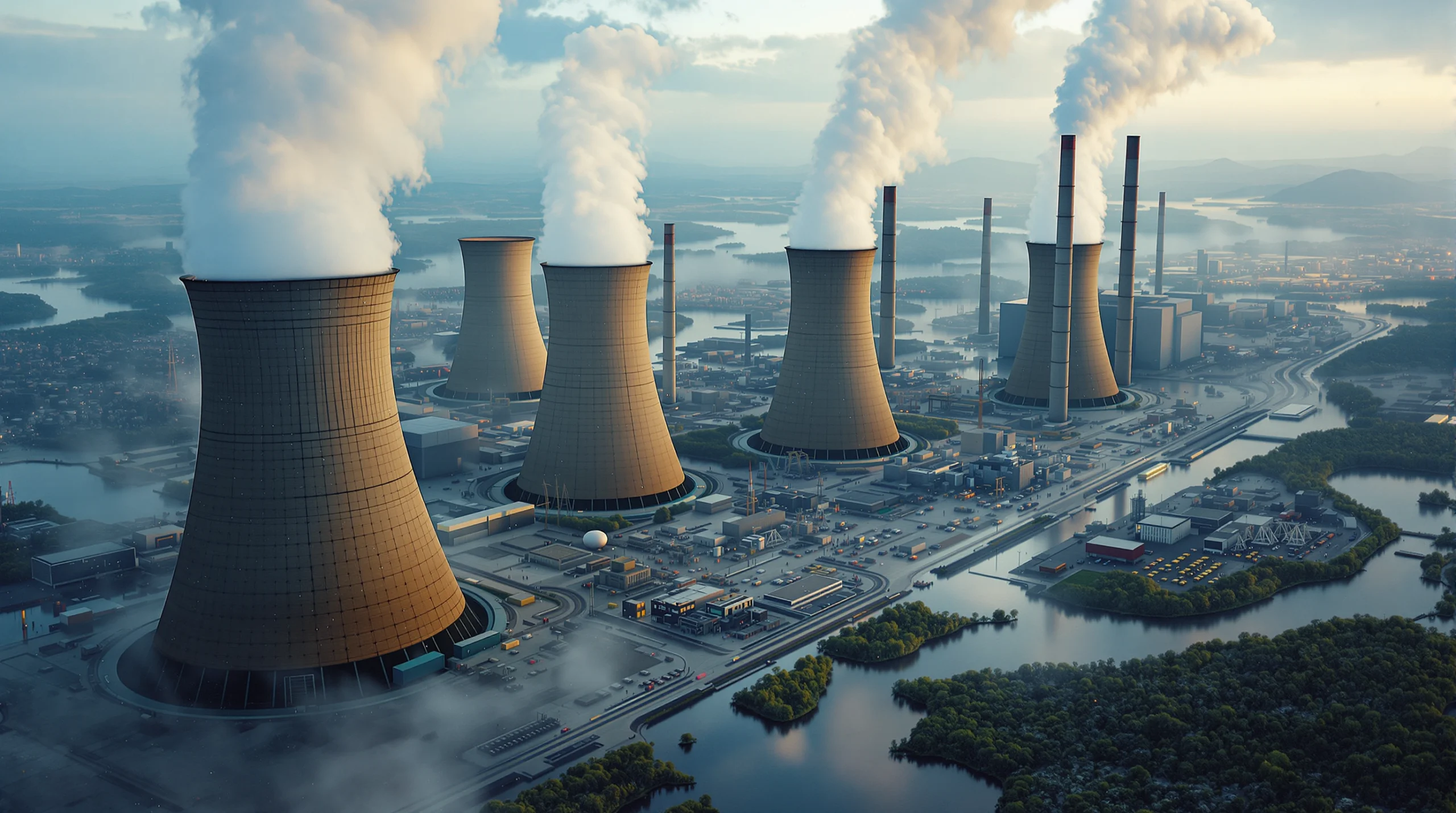
Is Coal the New Powerhouse for AI Data Centres? The Complete AI News Guide
AI news has been buzzing lately with a controversial topic – could coal actually be the new powerhouse for AI data centres? This question has sparked heated debates across tech and energy sectors, especially with recent political moves putting coal back in the spotlight.
I’ve been digging into this fascinating intersection of old-school energy and cutting-edge technology. Let’s explore the most pressing questions about coal’s potential role in powering our AI future.
Why is coal suddenly being discussed for AI data centres?
The conversation started when Donald Trump signed executive orders aimed at revitalizing the coal industry, specifically positioning it as a solution for the massive energy demands of AI data centres.
Trump’s administration took several concrete steps:
- Designated coal as a “critical” mineral
- Removed various mining regulations
- Promoted exports of US coal and related technologies
The reasoning behind this push is straightforward – AI computing requires enormous amounts of electricity. Training a single large language model can consume as much energy as hundreds of homes use in a year. With AI tools like Gemini becoming available on iPhones and other consumer devices, the backend infrastructure needs massive power.
Energy Secretary Chris Wright and Interior Secretary Doug Burgum have supported this initiative, highlighting coal’s potential to meet growing energy demands from AI infrastructure.
Can coal realistically power modern AI data centres?
Technically, coal can generate the electricity needed for data centres. But the question isn’t just about technical capability – it’s about practicality, economics, and alignment with industry trends.
The reality is more complex:
- Coal faces stiff competition from natural gas and renewables
- Energy costs from coal are increasingly less competitive
- Environmental regulations make new coal plants difficult to build
- The global push toward sustainability conflicts with coal expansion
Microsoft, Google, and Amazon – who operate many of the world’s largest AI data centres – have all made public commitments to carbon neutrality and renewable energy. These aren’t just PR moves; they’ve invested billions in renewable energy projects.
For a deeper analysis of how different energy sources affect AI development, tools like Artspace AI offer visualization capabilities that help companies model various energy scenarios for their AI operations, making it easier to compare the environmental and economic impacts of different power sources.
What are the advantages of using coal for AI infrastructure?
Despite the pushback, coal does offer some genuine advantages that explain its continued consideration:
| Advantage | Explanation |
|---|---|
| Domestic Availability | The US has abundant coal reserves, reducing dependence on imports |
| Reliability | Coal plants provide consistent baseline power regardless of weather |
| Existing Infrastructure | Much of the infrastructure for coal power already exists |
| Energy Density | Coal delivers high energy output relative to physical space required |
“The challenge isn’t finding energy sources that work – it’s finding energy sources that work for our future,” as one energy analyst put it to me recently.
What are the drawbacks of powering AI with coal?
The case against coal for AI is substantial:
- High carbon emissions contributing directly to climate change
- Mining practices that cause significant environmental damage
- Declining financial backing as investors shift away from fossil fuels
- Conflict with tech companies’ public sustainability commitments
- Potential regulatory changes that could increase costs
Many experts believe these drawbacks outweigh the advantages, especially as AI technologies advance and become more power-efficient.
How do renewable alternatives compare for AI data centres?
Renewable energy sources offer compelling alternatives:
- Wind and solar prices have dropped dramatically in recent years
- Many tech companies already invest heavily in renewable infrastructure
- Energy storage solutions are improving rapidly
- Renewables align with corporate environmental goals
Google, for instance, has committed to operating on 24/7 carbon-free energy by 2030. They’re using tools like AI-powered energy forecasting to predict when renewable sources will be available and schedule computing tasks accordingly.
For businesses exploring AI implementation, understanding these energy considerations is crucial. The choice of AI platform and infrastructure can significantly impact both costs and environmental footprint.
Will Trump’s coal initiative actually change how AI data centres are powered?
Despite the executive orders, several factors make a large-scale shift to coal unlikely:
- Tech companies’ existing renewable energy commitments
- Investor pressure for environmental responsibility
- The economic reality that renewables are often cheaper
- Policy uncertainty with changing administrations
What we’re more likely to see is continued diversification of energy sources for AI infrastructure, with an emphasis on finding the right balance between reliability, cost, and environmental impact. Companies are increasingly using AI tools themselves to optimize their energy usage and carbon footprint.
How can businesses navigate these energy considerations for AI?
If you’re implementing AI in your business, here’s how to approach the energy question:
- Consider the total cost of ownership, including energy
- Evaluate cloud providers based on their energy commitments
- Look into automation tools that can help optimize energy usage
- Weigh the PR implications of your AI energy choices
- Stay informed about changing regulations and incentives
Tools like Artspace AI can help visualize different scenarios and make more informed decisions about AI deployment and energy usage.
Final thoughts on coal for AI data centres
The debate about using coal to power AI data centres reflects broader tensions between immediate needs and long-term sustainability. While coal offers reliability and domestic availability, the industry and investment trends point clearly toward renewable alternatives.
What seems most likely is a transition period where multiple energy sources – including some coal, but increasingly dominated by renewables – power our AI future. The critical factor will be finding the right balance that maintains reliability while progressively reducing environmental impact.
The AI news landscape will continue to evolve on this topic, but one thing is clear: energy considerations will remain central to AI development and deployment strategies for years to come.
Written by Hayley Brown, owner of allin1app.com, lover and obsesser of all things AI and automation and provides significant added value for readers including how to set up time saving automations using https://www.make.com/en/register?pc=hayleyallin1