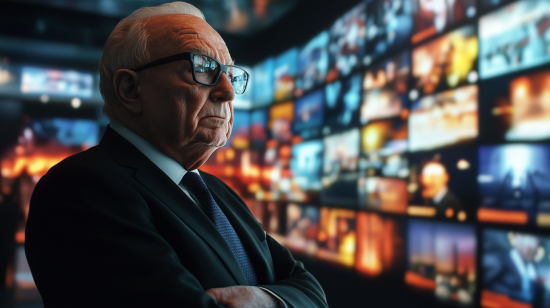
Facing the AI Dilemma: Murdoch and Artists Unite Against Content Scraping
Have you ever worried that your creative work might be taken without your knowledge? That fear is becoming a reality due to AI content scraping. Let’s break it down.
AI content scraping might sound like tech jargon, but it’s straightforward: artificial intelligence grabs and reuses content from the internet without permission. From artists to media moguls like Rupert Murdoch, this phenomenon is affecting creators globally.
It’s a serious issue. With great power comes great responsibility, yet where is the accountability when AI encroaches on creativity?
Scraping: The Backstory
Imagine creating a masterpiece, hours of effort, heart, and soul poured into it. Then one day, you find it circulating online with someone else claiming the credit or, worse, profiting from it.
This is the grim reality of AI content scraping. Here’s how it typically unfolds:
AI bots scour the internet tirelessly, indexing everything from text to images and multimedia.
They scrape data from websites, platforms, and social media, often bypassing copyright protections or ethical considerations.
This data is reproduced. Sometimes it’s altered slightly to disguise its origin, but more often it’s a direct copy with no acknowledgment of the creator.
The reproduced content appears online, on platforms, or even in AI-generated products, monetized without compensating the original creator.
The result? Creators’ hard work becomes a commodity, stripped of its originality and rightful ownership. It not only robs creators of their due recognition but also erodes trust in online spaces where originality should thrive. Beyond financial losses, it diminishes the creator’s ability to stand out in a crowded digital landscape.
Murdoch and Artistry: An Unlikely Alliance
Picture this: Rupert Murdoch, a media giant, joining forces with indie artists. It sounds unusual, but they share a common cause, protecting their creations from exploitation.
Murdoch faces challenges with AI reusing blockbuster scripts, intricate plots, and detailed articles. These generate revenue for others without returning a penny to the original creators.
Similarly, artists are seeing their paintings or songs altered and shared on platforms without their consent. Imagine your favorite song slightly remixed and played elsewhere, with no acknowledgment of the original artist. This is the reality many creatives face.
The Ethics of AI
The rise of AI raises questions about fairness and accountability. Who should regulate AI, governments, tech companies, or a collective of creators? The debate continues as creators grapple with challenges like:
Rights to Authorship: How do we identify the original creator when AI blends and reproduces content? With AI synthesizing vast amounts of data, tracing the lineage of a creation becomes increasingly complex, raising questions about intellectual property rights in the digital age.
Revenue Sharing: Should systems be established to ensure creators are compensated when their work is used? Developing transparent mechanisms to track usage and distribute revenue could provide a fairer playing field for artists and innovators.
Privacy Concerns: Isn’t it unsettling that every word, note, or brushstroke could be cataloged by AI for future use? Beyond ethical issues, this raises potential security risks, as personal and professional data could be exposed or exploited without consent.
These ethical dilemmas demand solutions that prioritize the rights of creators. As the AI landscape evolves, it is critical to balance innovation with accountability, ensuring that technology enhances rather than undermines the human creative spirit.
Keeping Your Creative Edge Safe
As a creator, safeguarding your work is essential. Here’s how the creative community is fighting back:
Licensing and Attribution: Creators are increasingly adopting licenses specifying conditions like non-commercial use and mandatory attribution. These legal frameworks help protect intellectual property and ensure that users of the content understand their obligations.
Tech to Fight Tech: Advanced tools now help creators track where their content appears online, acting as personal AI watchdogs. These tools use reverse image searches, blockchain technology, and metadata tracking to provide real-time alerts when content is used without permission.
Community Power: Artists are banding together to share experiences, offer support, and pursue collective legal actions when necessary. Collaborative platforms and organizations provide resources, legal aid, and advocacy to amplify the voices of creators facing challenges from AI misuse.
These strategies empower creators to reclaim control over their work. By combining legal measures, technology, and solidarity, the creative community is forging a robust defense against the unchecked spread of AI content scraping.
The Future is Uncertain
The alliance between Murdoch and artists might seem improbable, but it’s a testament to the universal desire to protect creativity. Art is about connection, a bridge to the human experience, and it deserves protection from exploitation.
Imagine a world where AI complements human creativity rather than mining it for profit. A future where technology enhances artistry without compromising originality is within reach, but only if we take steps today.
Whether it’s visiting an art gallery or reading the news, remember: behind every piece of creativity lies the dedication of its maker. Protecting that dedication ensures art’s timeless legacy.
Don’t let the digital tide erase the fingerprints of human ingenuity. Embrace tools, communities, and strategies to stand firm against AI content scraping and preserve the magic of creation.