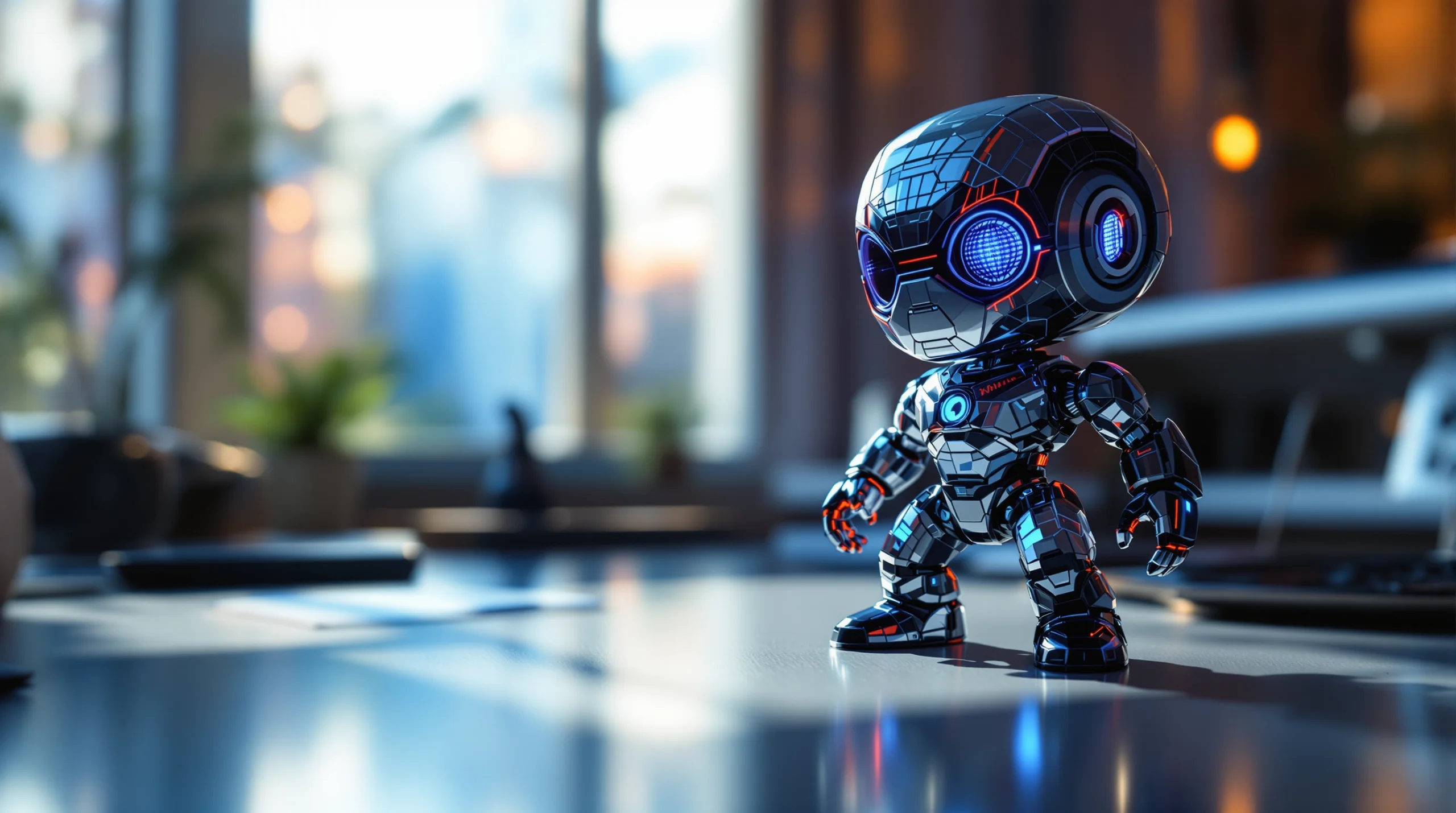
AI-Generated Action Figures: Common Questions and Hidden Risks You Need to Know
AI-generated action figures have become the latest craze sweeping across social media. I’ve watched countless friends transform their selfies into miniature plastic versions of themselves, proudly displaying them on LinkedIn and Instagram. But behind the fun facades lie some serious considerations we can’t ignore.
Let’s cut through the noise and address the questions everyone’s actually asking about this trend.
Are AI-Generated Action Figures Safe for My Privacy?
This is probably the biggest question in people’s minds. When you upload your photos to these AI platforms, you’re essentially handing over your likeness.
Here’s what typically happens with your data:
- Data Usage – Most AI platforms retain rights to use your uploaded images for training their algorithms
- Limited Control – Once uploaded, you often can’t truly delete your data from their systems
- Terms of Service – Many people skip reading these, but they often contain clauses permitting extensive use of your images
I recently spoke with a cybersecurity expert who explained that facial recognition technology has advanced dramatically, making your likeness a valuable data point that companies can potentially monetize beyond just making your action figure.
What’s the Environmental Impact of Creating These Figures?
Let’s be honest – most people don’t think about the carbon footprint of digital activities. But AI processing is energy-intensive.
| AI Process | Environmental Cost |
|---|---|
| Image Generation | High GPU energy consumption |
| Model Training | Massive data centers running 24/7 |
| Physical Production | Plastic manufacturing and shipping emissions |
A single AI image generation might seem insignificant, but multiply that by millions of users, and we’re talking about substantial energy consumption. This is especially concerning given that many data centers still run on non-renewable energy sources.
If environmental impact matters to you, tools like Property Filter offer more sustainable AI applications that focus on practical business solutions rather than novelty items, helping companies make smarter decisions with less environmental impact.
Do Artists Lose Out When We Use AI for Creative Work?
This question hits close to home for me. I have friends who are professional artists, and they’ve been vocal about how AI art generators have affected their livelihood.
The main concerns include:
- Style Appropriation – AI learns from existing artists’ work without compensation
- Devaluation of Skills – Why hire an artist when an AI can create something similar in seconds?
- Lost Opportunities – Companies that once commissioned custom figures now turn to AI
Many artists have started using hashtags like #NoAI and #HumanArtist to distinguish their work and raise awareness about these issues. It’s worth considering whether the convenience of an AI-generated figure is worth the potential impact on creative communities.
How Do These AI Figures Actually Get Made?
The process seems magical, but understanding how it works reveals some of the risks:
- You upload your photos to an AI service
- The AI analyzes facial features and body proportions
- It generates a 3D model based on reference action figure styles
- This model can be digitally rendered or physically produced
The technology behind this is similar to other spatial and image analysis tools that businesses use for more practical applications. The difference is in how the output is marketed and packaged.
Are There Legal Issues With AI-Generated Figures?
This area is still evolving, but several legal considerations exist:
- Copyright Questions – Who owns the rights to an AI-generated figure based on your likeness?
- Commercial Use – Many services retain rights to use your figure for marketing
- Brand Infringement – Some AI tools create figures resembling copyrighted characters
One user shared with me how they discovered their AI-generated likeness being used in the company’s advertisements without specific permission. The terms of service had granted this right, but they hadn’t noticed when signing up.
For businesses concerned about similar AI-related legal issues, Property Filter provides AI tools with clear terms and transparency about data usage, helping companies leverage technology without unexpected legal complications.
What Alternatives Exist for Personalized Figures?
If you’re concerned about these issues but still want something custom, consider these options:
- Commission an independent artist to create a custom figure
- Use services that 3D print figures but don’t retain rights to your likeness
- Support platforms that compensate artists when their styles influence AI creations
I recently discovered a small business that employs artists to hand-create custom figures. While more expensive than AI options, they offered a personal touch that algorithms simply can’t match, plus the peace of mind knowing exactly how my image would be used.
Is This Just a Passing Trend?
AI-generated action figures may be having their moment in the spotlight, but the underlying technology isn’t going anywhere. AI image generation continues to advance rapidly, finding applications across industries from entertainment to healthcare.
What we’re witnessing is the early, somewhat gimmicky application of powerful technology. As the novelty wears off, we’ll likely see more thoughtful applications emerge.
For businesses looking to apply similar technology in meaningful ways, Property Filter demonstrates how AI can analyze visual data for practical decision-making rather than just creating novelty items.
The Bottom Line on AI Action Figures
When you’re deciding whether to create that AI action figure of yourself, consider:
- Are you comfortable with how your image data will be used?
- Does the environmental impact align with your values?
- Would you rather support human artists?
There’s no right answer here – just informed choices. The technology behind AI-generated action figures is fascinating and will continue to evolve. What matters is understanding what you’re signing up for before jumping on the trend.
Whether you decide to create an AI figure of yourself or not, staying informed about how AI technologies are developing helps us all make better decisions about our digital footprint.
AI-generated action figures represent just one application of rapidly evolving technology that’s changing how we think about creativity, privacy, and digital representation. By asking the right questions now, we can help shape more responsible development of these tools in the future.
Written by Hayley Brown, owner of allin1app.com, lover and obsesser of all things AI and automation and provides significant added value for readers including how to set up time saving automations using Make.com