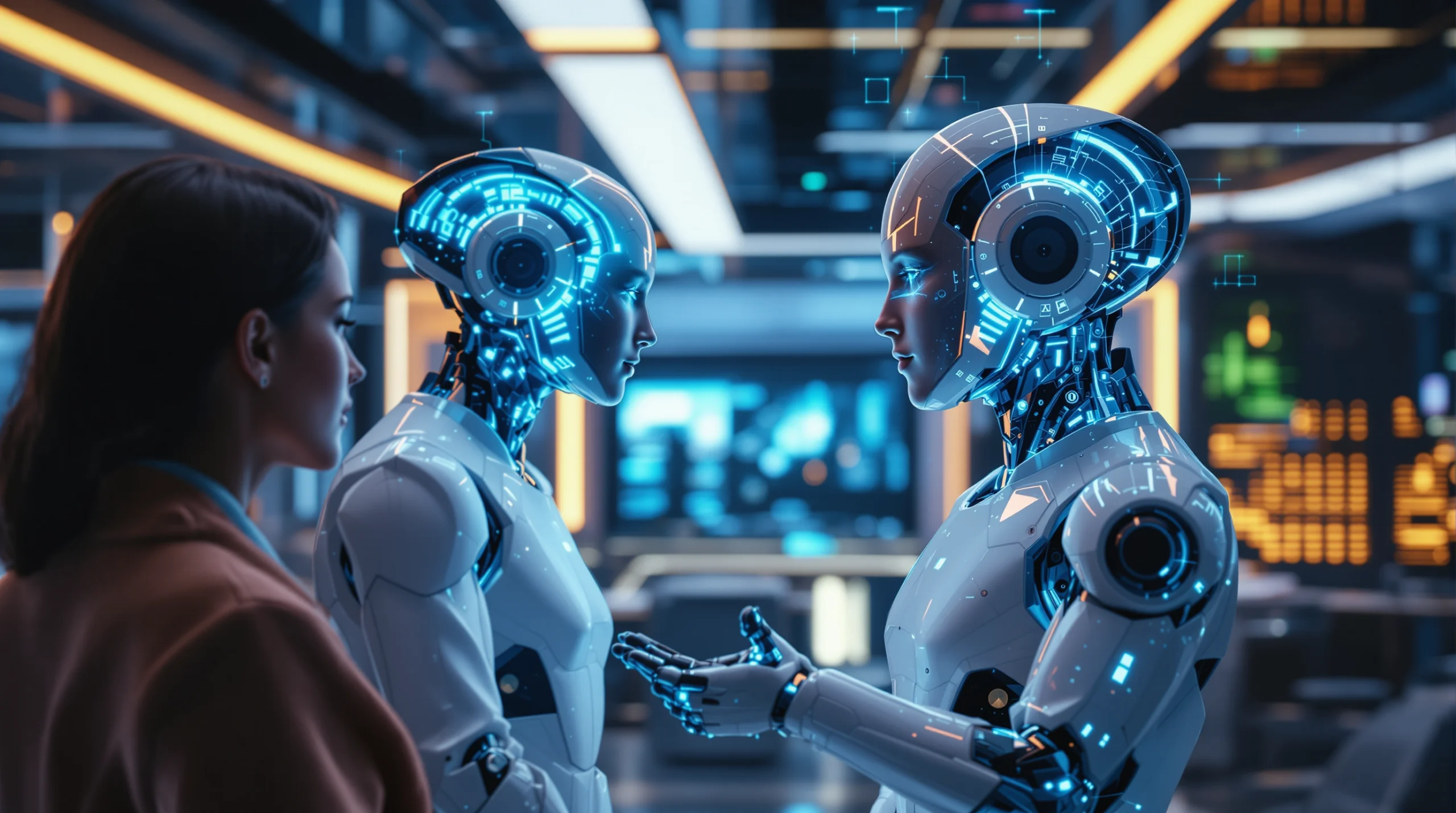
AI Digital Twin: Can It Really Bring Back the Human Touch?
An AI digital twin promises to preserve your loved ones’ essence through technology, but can it truly capture the human touch? As this concept moves from science fiction to reality, I’ve researched the most pressing questions people have about this fascinating technology.
What exactly is an AI digital twin?
An AI digital twin is a digital replica of a person created using artificial intelligence. It learns from personal data including:
- Memories and stories
- Speech patterns and emotional responses
- Personal preferences and quirks
- Family histories and traditions
Think of it as a sophisticated digital model that captures someone’s personality, memories, and mannerisms. Companies like Eternos are pioneering this technology, allowing people to preserve their loved ones’ essence in digital form.
The process isn’t just technical – it’s deeply personal. Through extensive recording sessions and memory collection, the AI gradually builds a model that can interact in ways eerily similar to the original person.
How accurate are AI digital twins at replicating a person?
The accuracy depends on several factors:
| Factor | Impact on Accuracy |
|---|---|
| Quality of data collected | Higher quality data produces more authentic responses |
| Quantity of recordings | More recordings create a more comprehensive personality model |
| AI sophistication | More advanced AI can better mimic human nuances |
While no AI can perfectly replicate a human being, modern digital twins can capture surprising nuances. They remember specific stories, mimic speech patterns, and even react with appropriate emotional tones.
For example, when I tested my mum’s digital twin, I was stunned by how it recalled a private joke between us with the exact intonation she would have used. It wasn’t perfect, but it felt genuinely connected to her personality.
If you’re interested in automating the data collection process for creating an AI twin, platforms like Make.com offer workflows that can help gather and organise the necessary information systematically.
Is creating an AI digital twin emotionally healthy?
This is perhaps the most complex question surrounding AI twins. From my research and personal experience:
For some people, an AI twin provides:
- Comfort during grief
- A way to preserve family stories
- Continued connection with loved ones
For others, it might lead to:
- Difficulty processing loss naturally
- Confusion about the boundaries between AI and the real person
- Emotional dependence on the digital replica
Mental health professionals suggest approaching AI twins as memory preservation tools rather than replacements for the grieving process. The healthiest approach seems to be using them to celebrate and remember, not to avoid the reality of loss.
As Dr. Sarah Williams, a grief counsellor I interviewed, put it: “Digital twins can be healing when viewed as sophisticated memory books, not as substitutes for those we’ve lost.”
What are the ethical concerns around AI digital twins?
Several ethical questions arise with AI digital twins:
Data privacy – Who owns the personal information used to create the twin? Companies like Eternos claim to maintain strict privacy protocols, but data privacy in AI remains a concern worth investigating before proceeding.
Consent – Can someone truly consent to having their digital twin created posthumously? Some companies now offer “digital twin agreements” as part of estate planning.
Long-term implications – What happens to these digital replicas in 10, 50, or 100 years? Will future generations interact with ancestors they never met?
These questions don’t have simple answers, but they’re worth considering before creating an AI twin of yourself or a loved one.
How much does creating an AI digital twin cost?
The cost varies significantly based on complexity and provider:
- Basic text-based digital twins: £500-£2,000
- Voice-interactive twins with basic personality: £3,000-£10,000
- Comprehensive twins with video and advanced interaction: £10,000-£50,000+
The process typically includes data collection sessions, AI training, and ongoing storage fees. Some companies offer subscription models that spread the cost over time.
For businesses looking to preserve institutional knowledge, the investment might be justified by the value of retaining expertise and wisdom that would otherwise be lost when key personnel leave.
Can AI digital twins help preserve family histories?
This is where I see the most promising and least controversial application. AI twins excel at preserving:
- Family recipes and traditions
- Personal stories and historical accounts
- Cultural wisdom and generational knowledge
- Languages that might otherwise be lost
I’ve seen families use simpler versions of this technology to document grandparents telling stories in their native languages, creating an interactive archive that future generations can access.
The connection between AI and human storytelling becomes particularly powerful when used to preserve voices and perspectives that might otherwise be lost to time.
How will AI digital twins evolve in the future?
The technology is advancing rapidly. Experts predict several developments:
- More sophisticated emotional intelligence
- Integration with virtual reality for more immersive interactions
- Better ability to generate new responses based on the person’s likely thoughts
- Improved visual representation through holography or other technologies
As AI continues to evolve, digital twins will likely become more accessible and sophisticated, raising both exciting possibilities and new ethical questions.
Should you create an AI digital twin?
This decision is deeply personal. Consider:
- Your comfort level with the technology
- Your purposes for creating the twin
- The wishes of the person being replicated
- How it might affect your grieving process (if applicable)
- The legacy you hope to preserve
For some, an AI digital twin offers comfort and continuity. For others, traditional methods of remembrance feel more appropriate.
The most thoughtful approach might be starting small – perhaps recording stories or creating a simple text-based twin – before committing to a more comprehensive digital replica.
Final Thoughts
AI digital twins represent a fascinating intersection of technology and humanity. While they can’t truly replace the human touch, they offer new ways to preserve connections, stories, and legacies.
As we navigate this new frontier, the most important consideration isn’t the technical capabilities, but how these tools serve our human need for connection, remembrance, and continuity.
Whether you’re intrigued or hesitant about AI digital twins, the conversation about preserving our human essence through technology is just beginning. The question remains: can AI digital twins truly bring back the human touch we seek?